
Getting Started Making Music on a Computer: The Complete Beginner’s Pathway
Welcome to Your Digital Music Journey
Making music on a computer isn’t just a modern convenience - it is a creative revolution. For the first time in history, anyone with a laptop and curiosity can compose, arrange, record, mix, and release music that has the potential to stand shoulder‑to‑shoulder with professional productions. It has literally never been easier to make music on a computer than right now.
You don’t need a studio. You don’t need expensive gear. You need a starting point and a clear path - and that is what Embervane gives you.
Here, everything begins with clarity, creativity, and confidence. Clarity means cutting through the noise and showing you exactly what matters when you’re starting out. Creativity means giving you the tools and space to explore ideas without feeling overwhelmed or “not ready.” And confidence is the result - the feeling that you can open your DAW, make decisions, and actually finish music that you feel proud of.
This guide is designed to give you that foundation from day one. It is your first step into that world. Whether you want to make beats, score films, write songs, produce electronic music, or simply explore your creativity, everything begins with understanding the tools and habits that will help you develop your digital music creation skills.
Let’s start simple, clear, and with what you actually need.
What You Actually Need to Begin
The biggest myth in music production is that you need a room full of gear to get started. You don’t. You need three things, and two of them you probably already have.

1 - A Computer
Any modern laptop or desktop works. You don’t need a powerhouse machine — just something stable enough to run a few tracks and plugins. Start with what you have and upgrade later when you know exactly what you need.
2 - A DAW (Digital Audio Workstation)
Your DAW is your creative command center. This is the software where you record, edit, arrange, and mix your music, and it is a critical part of making music on your computer. Think of it like a virtual mixing desk and recording studio. There are free options, paid options, simple options, and deep options - and you’ll find the right one in this guide: → Essential Gear for Home Music Production
3 - Headphones
A decent pair of headphones is enough to begin. With a solid pair of headphones, you don’t need studio monitors, and you don’t need acoustic treatment. You just need something that lets you hear your work clearly, and that is where the headphones come in the picture.
Optional Gear
MIDI keyboards, audio interfaces, microphones, and controllers are great - but technically optional if you are just looking to get started. Sure, they can make the process of creating music more efficient, but they enhance your workflow, not define it. When you’re ready to explore gear like this, head to: → Essential Gear for Home Music Production
Start with the basics. Build from there.
Understanding the DAW (Your Creative Command Center)
A DAW (Digital Audio Workstation) is the heart of modern music creation. Think of it as your studio, your instrument, and your creative canvas all in one place.
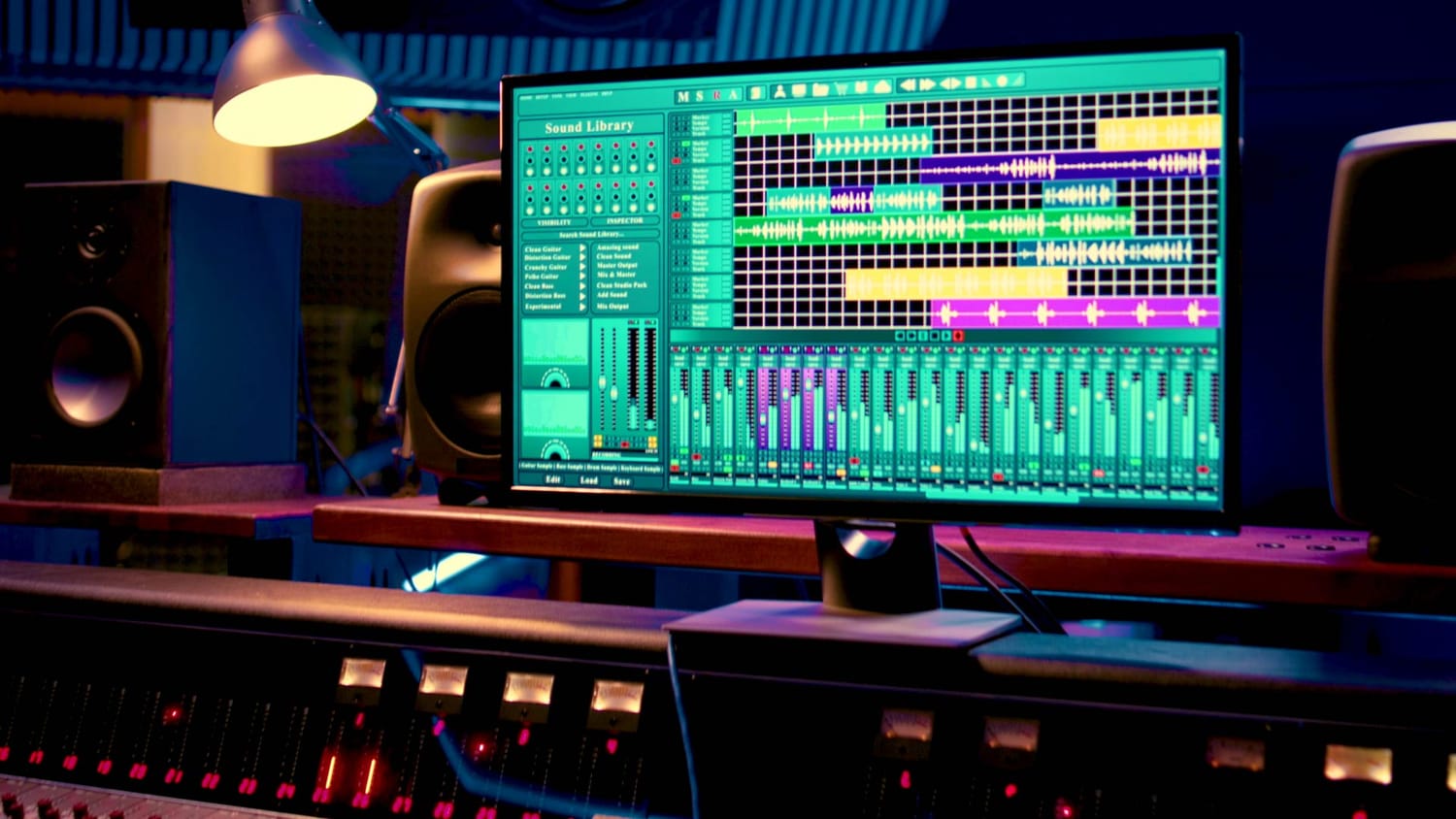
Inside a DAW, you can:
record audio
program MIDI
arrange ideas
edit performances
mix your tracks
add effects and instruments
shape your sound
Every genre, every workflow, every creative style lives inside the DAW. This is where ideas become songs, and that is the embervane in action.
You don’t need to master everything at once. Most people only use a small portion of their DAW at first - and that’s exactly how it should be. Learn one tool at a time. Build confidence and let your skills grow naturally. When I started, I sed a simple loop-based DAW. As my needs evolved, I moved to a more instrument-friendly one, but the skills I built early on carried forward and grew with me.
To go deeper into choosing the right DAW and understanding how it works, explore this article: → How to Start Making Music on Your Computer: A Complete Beginner's Guide
The Core Skills You'll Develop
As you begin making music on your computer, you’ll naturally develop five foundational skills.
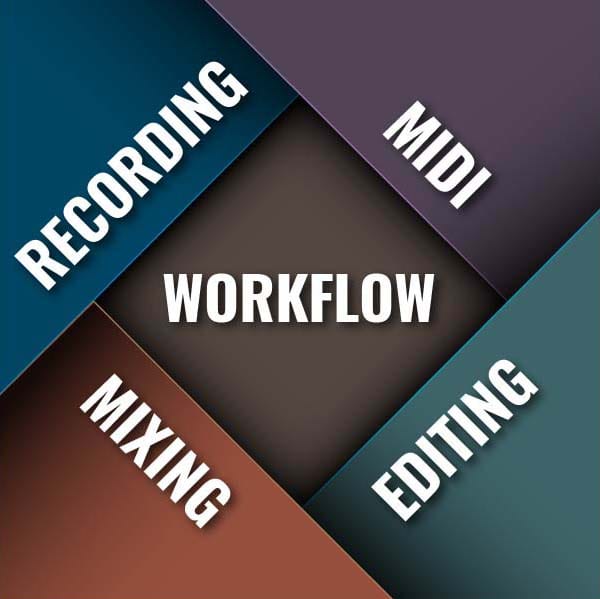
Recording - capturing sound, whether vocals, instruments, or simple ideas.
Editing - tightening timing, shaping takes, and refining performances.
MIDI - controlling virtual instruments, writing melodies, building chords, and creating rhythms without needing traditional instrument skills.
Mixing - balancing levels, shaping tone, adding depth, and making your music feel polished and intentional.
Creative Workflow - learning how to start, develop, and finish music consistently; a core Embervane focus.
To explore these skills in more detail, visit: → Beginner Mixing & Workflow Fundamentals
The Path Forward (Your Next Steps)
You don’t need to learn everything today or try to master your DAW this week. Give yourself the grace of time as you progress along this journey.
What you do need is momentum.
That means getting your feet wet and finding your footing with your DAW its tools. Start simple. Build confidence. Learn one tool at a time.
When you are ready to go deeper, explore the guides below. Each one expands on a key part of your journey and helps you move forward without getting overwhelmed:
How to Start Making Music on Your Computer
Essential Gear for Home Music Production
Beginner Mixing & Workflow Fundamentals
Understanding Audio Interfaces
Building a Productive Music Workflow
Downloadable Resources
To help you get started with confidence, you can download:
Embervane Process Map: Your First 30 Days in Music Production
Pre‑Ignition Brief: Beginner DAW Concepts
These resources give you a simple, structured path to follow as you begin your creative journey.
Final Encouragement
You do not need gear.
It is important to understand that getting started with making music on your computer does not actually require lots of gear - you could get started just with that all-important DAW software and a computer mouse. Sure, additional gear and extra software can help make the journey more customizable, but that is for the road ahead. Right now, your focus should be on going through the material here and getting your foundation set up, because a strong foundation and a good mindset will carry you very far indeed.
You do not need experience.
Just like gear, you do not actually need experience to start making music. Will understanding things like music theory and how instruments work together help you? Of course... but you don't need that to start making music. Instead, you just need to give yourself the grace of patience as you learn your DAW of choice and then figure out how to use the tools available to you to begin putting music together.
And don't worry, because even if that feels foreign at the beginning and you go a listen to a song on Spotify and it blows you away and the weight of the distance between where you are right now compared to where that song is starts to hit, then just give yourself a moment to take a breath and remember that everybody started at the beginning, no matter who they are. It is so very critical in the world of creative expression to avoid comparing your growth with anyone else's. Keep that in mind as you develop your skills and hold onto that excitement of how much you can grow.
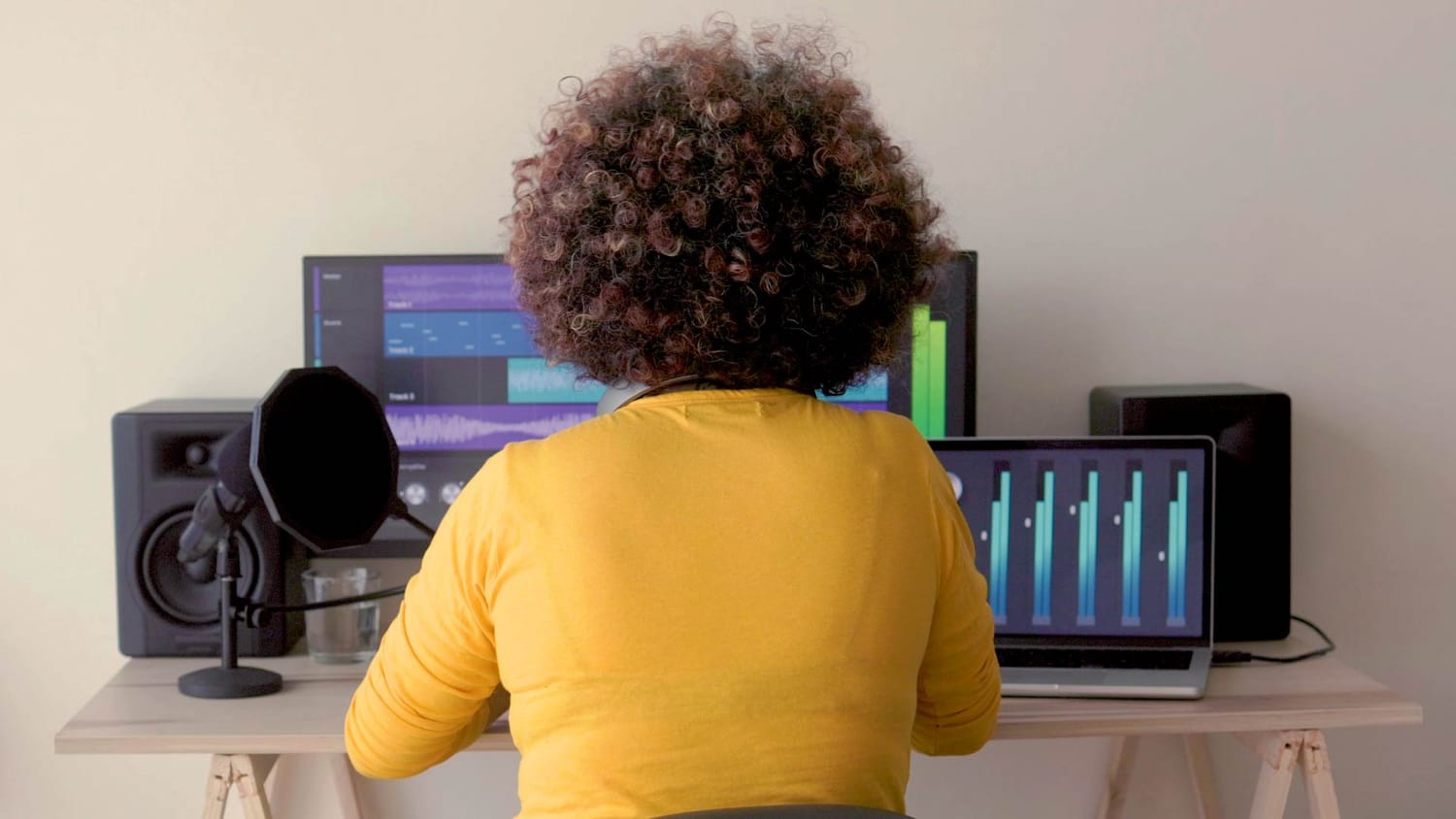
You just need momentum.
With a strong foundation, the next most important thing to forward movement is to have momentum. Have you ever noticed that it is hard to start a new behavior but the longer you do it, the easier it becomes to maintain that behavior? That is called inertia - a physics term that essentially says when someone is not moving it is hard to get moving and when someone is already moving it is harder to stop.
The articles that are here are meant to help give you not only a foundation but also provide a direction. The momentum comes from you - showing up as frequently as you can and honing your skills. Letting the embervane ignite within you and point you where you need to be going.
You are not alone. You have a clear path. You have a system. You have a guide.

The spark that leads to your next breakthrough.
© Copyright Embervane 2026